
What Is a Live Dealer Casino? Fairness, Safety, and Game Types
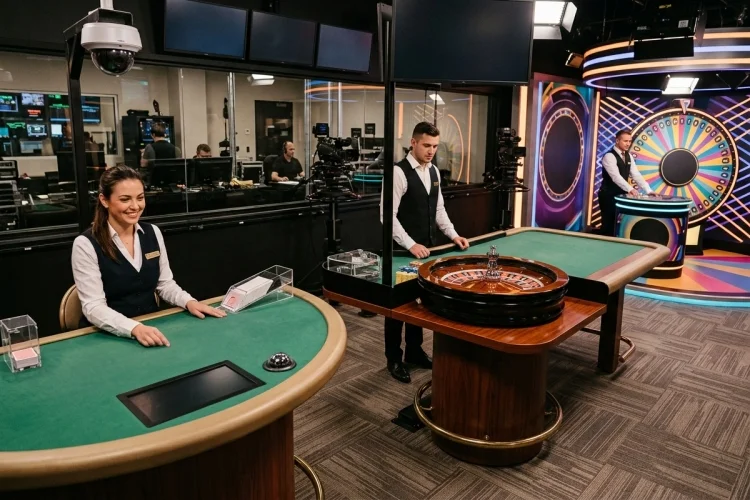
Live dealer games are often promoted as a transparent alternative to fully computerized casino products. Players can watch cards being dealt, see a roulette wheel spinning, and hear the dealer announce the result.
Visibility is useful, but it should not be confused with complete safety. A fair live dealer service also depends on studio controls, approved equipment, recorded rounds, secure betting software, transparent rules, and an appropriately licensed operator.
Understanding what a live dealer casino is and how it works should therefore include more than the video stream. Players need to know who operates the casino, who supplies the game, how wagers are recorded, and what happens if equipment fails or a disagreement occurs.
This guide focuses on live dealer game types, fairness standards, licensing, account security, and practical player protections. It does not identify a guaranteed-safe way to make money because every casino game includes the possibility of loss.
Which Games Are Available Live?
Blackjack, roulette, and baccarat are among the most common live dealer products. Some studios also offer craps, sic bo, casino poker variations, and hosted game shows.
Evolution’s live catalogue includes roulette, blackjack, baccarat, poker, craps, and entertainment formats with multipliers or bonus rounds.
Different tables may use different minimum stakes, side bets, payout structures, dealing procedures, or bonus features. Players should read the information for the individual table rather than assuming all versions are identical.
How Physical Equipment Determines Results
Live dealer outcomes usually come from actual cards, wheels, dice, or related equipment. This distinguishes them from RNG-driven versions of the same games.
The UK Gambling Commission explains that live dealers use physical equipment to determine results. Relevant integrity measures include controls over equipment supply, installation, and continued operation.
A live roulette result is therefore based on where the physical ball lands. In live blackjack, the hand is created from cards dealt at the studio table.
What Fairness Standards Apply?
In regulated markets, a live stream should be supported by verifiable operational controls. The studio must be capable of demonstrating that games were conducted according to their published procedures.
British technical standards require live dealer operations to be fair and independently auditable. They also address the suitability and control of equipment and consumables used in the games.
Recording and surveillance can help investigators reconstruct a disputed round. Technical testing and auditing do not make the player likely to win; they help confirm that the approved rules are being followed.
Why Licensing Still Matters
A recognizable provider or realistic studio does not replace the need for a licensed casino operator. The company accepting the deposit and managing the account should be authorized to serve the player’s jurisdiction.
The UK Gambling Commission provides a public register through which users can check licensed businesses and relevant domains.
Players should compare the legal company name and website address with the regulator’s official record. A copied licence logo in a casino footer is not independent verification.
How Wagers and Payments Are Recorded
The casino platform receives betting instructions through the game interface. Accepted transactions should be recorded before the betting period closes.
When the result is confirmed, software settles the wagers according to the table’s published rules. Account balances and betting amounts should be displayed clearly, including any conversion between money and digital chips.
A dealer operates the game but typically does not personally approve withdrawals or control a player’s casino wallet. Account payments remain the responsibility of the operator and its financial systems.
Live Dealer Casino vs. Automated Casino
A live dealer game uses a physical result and video stream. An automated version uses software-generated graphics and usually relies on an RNG.
Live games often move at the pace of a real dealer, while automated games can complete rounds more quickly. Live tables may also include chat, scheduled seat availability, or shared outcomes.
Neither format eliminates the house advantage. A real dealer cannot turn blackjack, baccarat, or roulette into a predictable source of income.
Recognizing Important Warning Signs
Avoid a platform whose licence cannot be independently confirmed. Other warning signs include missing game rules, unexplained payout changes, unclear company information, and customer support that refuses to document disputes.
Be cautious when a casino requests an additional deposit, cryptocurrency transfer, or personal payment before releasing a withdrawal. Legitimate verification procedures should be explained in the operator’s terms and conducted through secure channels.
Licensed operators are expected to treat customers fairly and use open, transparent contractual terms.
Using Player Protection Tools
Live dealer tables can feel slower than automated slots, but extended sessions can still produce substantial wagering. Side bets and repeated table actions may increase the cost beyond the original minimum.
Reality checks are designed to help users keep track of time spent gambling remotely.
Set deposit, loss, and time limits before opening a table. Never borrow money, chase losses, or treat social interaction with the dealer as a reason to continue beyond the planned session.
A live dealer casino connects real gaming equipment and trained presenters with an online betting platform. The physical table determines the result, while software records wagers, communicates decisions, and credits qualifying payments. Cameras and monitoring systems make the action visible and auditable.
Safety depends on more than seeing a real dealer. Players should verify licensing, read the game rules, understand table limits, confirm how disputes are handled, and use platforms with clear account protections.
Even a properly regulated game can produce significant losses because fairness does not mean favorable odds. Before participating, set non-negotiable spending and time limits. Leave immediately when either is reached or when the platform’s rules and ownership cannot be independently confirmed.